Harvesting the Future: How Smart Connectivity Is Transforming Modern Agriculture
INTRODUCTION: A NEW ERA UNFOLDING IN THE FIELDS
The sight of a farmer checking soil health through a mobile dashboard would have sounded like fiction a decade ago, yet today it reflects a profound transformation in rural landscapes. Digital connectivity is quietly reshaping how crops are grown, monitored and protected, offering timely insights that enhance production stability. This Article explores how Allpoint Wireless managed iot services for agriculture are helping farms transition into smarter, data-driven environments, setting the stage for long-term sustainability and improved decision-making across the agricultural sector.
THE RISING NEED FOR SMARTER AGRICULTURAL SYSTEMS
Farm operations have always required reliable observation, but changing climate patterns and resource limitations have increased the urgency for precise management tools. The integration of Allpoint Wireless managed iot services for agriculture in remote areas is enabling farms of all sizes to stay informed with real-time updates, improving visibility over crops, water usage and field conditions. This shift toward digital oversight allows agricultural stakeholders to plan more effectively, reduce operating challenges and ensure that each hectare receives attention rooted in accurate, timely information.
TECHNOLOGY AS A CATALYST FOR RURAL PRODUCTIVITY
In many regions, manual monitoring still dominates agricultural routines, leaving farms vulnerable to delayed responses and preventable losses. IoT-based technologies introduce consistency and clarity, automating essential checks that once demanded physical presence. These interconnected systems monitor soil moisture, climate changes, livestock activity and equipment status through continuous data flow. As connectivity expands, smart agriculture becomes more accessible, allowing fields to operate more efficiently and enabling producers to base decisions on patterns, predictions and detailed field behavior rather than guesswork alone.
THE TRANSFORMATIVE ROLE OF DIGITAL INFRASTRUCTURE IN FARMING
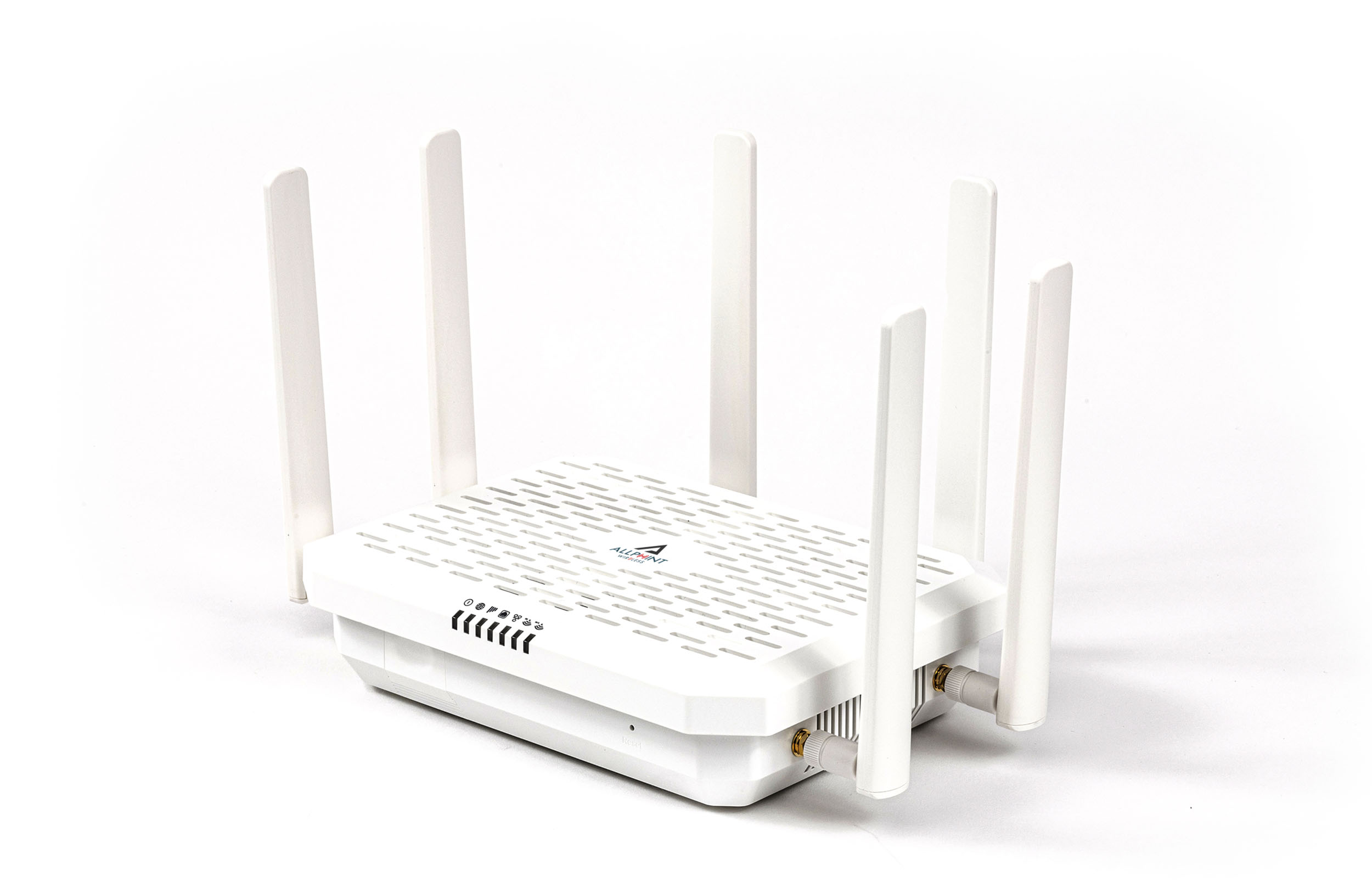
A growing number of agricultural operations are turning toward digital platforms that analyze conditions with greater accuracy than traditional tools. The use of advanced sensors and remote dashboards enhances control while reducing the margin for human error. In this landscape, managed iot solutions for agriculture stand out for their ability to unify data streams from multiple sources, presenting them in formats that simplify interpretation. This creates a more responsive farming environment where adjustments can be made quickly to safeguard crops and reduce operational waste throughout the season.
WHY DATA-CENTERED FARMING IS BECOMING ESSENTIAL
As farmlands encounter unpredictable weather, labor shortages and rising production costs, data-driven systems provide a stabilizing advantage. The adoption of managed iot solutions for agriculture supports early detection of crop stress, irrigation needs and pest activity, protecting yields before problems escalate. Continuous monitoring not only lowers risks but also supports strategic planning, ensuring each resource is applied wisely. This method of intelligent farming delivers benefits that extend beyond efficiency, helping agricultural businesses maintain consistency, reduce waste and adapt to evolving environmental demands.
ENSURING ACCESSIBILITY FOR MODERN AND TRADITIONAL FARMS ALIKE
While advanced technology may appear suited primarily for large enterprises, innovative connectivity platforms are making it feasible for smaller operations to adopt smart farming practices as well. Improved affordability and simplified system design allow traditional farmers to gradually integrate digital monitoring into existing workflows. The result is a more inclusive agricultural landscape where enhanced productivity becomes accessible regardless of farm size. By aligning technology with practical daily routines, digital tools offer flexibility while preserving longstanding farming traditions.
THE CUMULATIVE IMPACT OF SMART AGRICULTURE ON PRODUCTIVITY
When multiple digital systems operate together, the advantages become increasingly evident. Farms can anticipate challenges, track long-term environmental trends and refine strategies with precision. Even incremental technological adoption can significantly enhance crop management and resource allocation. Over time, these systems contribute to healthier soil, reduced wastage and more predictable harvest cycles. Through consistent data, agricultural decisions shift from reactive to proactive, gradually strengthening overall farm resilience and long-term output stability.
CONCLUSION: MOVING TOWARD A MORE INFORMED AGRICULTURAL FUTURE
Agriculture is entering a pivotal moment in which informed decisions and continuous oversight are becoming essential for sustainable growth. Solutions offered by Allpoint Wireless, combined with evolving connectivity trends, are helping farms navigate uncertainties with greater confidence. As digital infrastructure becomes more deeply rooted in agriculture, farms gain the opportunity to thrive through enhanced knowledge, improved responses and a renewed commitment to long-term productivity.


Comments
Post a Comment